
Does A Garden Room Add Value To Your Home?
For many homeowners, a garden room is more than a stylish extra space. It is a lifestyle upgrade, an investment in comfort and, often, a smart way to increase property value. As hybrid working and flexible living shape how we use our homes, garden rooms remain one of the most sought-after features in the UK market.
But how much value can they really add, and what factors influence that figure? This guide explores how garden rooms affect property worth, what buyers look for, and how to ensure your investment delivers both enjoyment and financial return.
The Appeal Of Garden Rooms In Today’s Market
Flexible working has changed how Britons use their homes. A dedicated space in the garden for work, fitness or leisure makes daily life more comfortable and can increase buyer interest. Independent mortgage and property guidance suggests that a well-specified garden office may add around 5 to 10 per cent to a home’s value, depending on quality and location. See this summary from Unbiased.
Estate agents also report strong demand for listings with professionally finished outbuildings that function as offices or studios. Trade coverage notes that garden rooms help properties stand out and can support stronger pricing in competitive markets. Read the discussion in Estate Agent Today.
How Garden Rooms Add Monetary Value
While exact figures vary by design and location, a well-built garden room can meaningfully increase a home’s marketability and sale price. The uplift depends on quality, usability and whether the addition enhances the property’s overall function.
Key factors influencing value include:
Build quality and materials. Timber structures with insulation, double glazing and certified electrics are viewed as permanent improvements rather than temporary sheds
Purpose and usability. Year-round comfort matters. A fully insulated, wired and heated garden room commands more interest than a summer-only structure
Size and layout. Rooms around 10 to 25 square metres tend to balance cost and versatility well
Aesthetic integration. The building should complement the property’s architecture and garden design
Compliance and certification. A room built within permitted development or with appropriate permissions and certificates reassures buyers and surveyors
Lifestyle Value: More Than Pounds And Pence
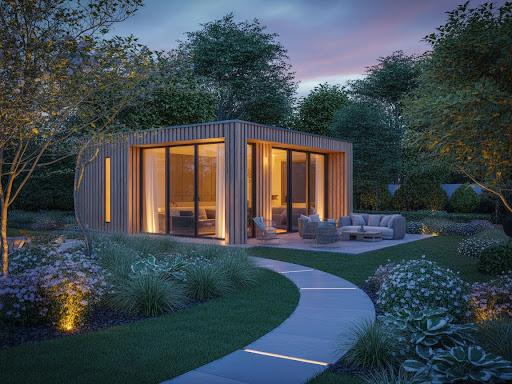
The financial gain is attractive, but lifestyle benefits often come first. A Nestive garden room can make a home feel larger without interior disruption. It creates a clear boundary between work and leisure, improving focus and well-being.
For many households, a garden room evolves with their needs. It might begin as an office, then later serve as a teenage den, art studio or hobby space. This adaptability adds lasting value long after installation costs have been recouped.
Our Timber Garden Rooms are designed for flexibility, blending strong thermal performance with a natural aesthetic that sits comfortably in most gardens.
What Buyers Look For
From a resale perspective, buyers tend to prioritise three qualities:
Professional finish. Quality materials, neat detailing, proper insulation and fitted electrics
Proven compliance. Planning confirmations, electrical certificates and warranties provide confidence
Integration and access. A visible, well-lit path and good natural light make the space feel like a true extension of the home
A property with a permanent quality outbuilding often photographs better, attracts more viewings and can sell faster. Agents highlight garden rooms because they appeal to remote workers, creative professionals and families seeking flexible space.
Cost Versus Value: A Balanced Perspective
It helps to separate cost from value added. The cost covers construction, electrics and design, while value refers to the uplift in overall property worth and saleability.
A typical, fully insulated garden room sits in the mid five figures, depending on size, specification and ground conditions. While it may not return the full outlay immediately, it can strengthen buyer appeal and reduce time on market.
Unlike kitchens or bathrooms, which date as fashions change, a well-designed garden room retains relevance across market cycles. It can also save money day to day by providing a home office that reduces commuting or external workspace costs.
Maximising Return On Investment
A garden room adds value when executed well. To maximise ROI, consider the following
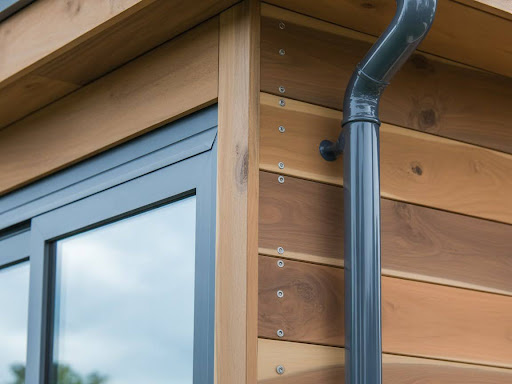
Use quality materials. Durable cladding and a breathable, insulated envelope signal long-term performance
Plan for comfort. Include insulation, heating, lighting, ventilation and double glazing for year-round use
Check permissions early. Confirm permitted development limits and local policies. See our overview of planning regulations for garden rooms
Choose a reputable installer. Professional certification and clear warranties inspire confidence in future buyers
Design for flexibility. Keep the layout adaptable so the space can evolve with household needs
Working with an experienced team ensures compliance and craftsmanship. Our design specialists handle planning checks, specification and installation from start to finish for a seamless, well-documented project.
Energy, Comfort And Buyer Expectations
Energy-conscious buyers respond well to buildings that are comfortable and efficient. Features such as robust insulation, well-sealed glazing, LED lighting and efficient heating improve user comfort and day-to-day running costs. For official guidance on energy efficiency standards in buildings, see the Government’s Approved Document L: Conservation of Fuel and Power.
The Role Of Design In Perceived Value
Design is the intangible factor that determines whether a garden room feels like a luxury or an afterthought. Clean lines, considered proportions and natural materials create a sense of permanence. Landscaping also matters. A planted boundary, path lighting and a small patio can make the space feel fully connected to the home.
For ideas, browse our Garden Room Gallery to see how careful design transforms both appearance and usability.
Realistic Expectations For Valuation
Not all value is financial. Homeowners often find that the lifestyle improvements, privacy and productivity are worth more than the measurable increase in sale price. However, if a surveyor can see that the addition enhances living space, is professionally built and well documented, it almost always increases perceived value.
Before installation, speak to a local estate agent or surveyor. They can estimate the likely uplift based on similar properties in your area. Our team can also help you understand how size, placement and design might affect market value.
Practical Steps Before Installation
Confirm whether planning permission is required. Many structures qualify under permitted development, but check your site and usage
Decide on your primary purpose, whether office, gym, studio or multi-use
Choose materials and finishes that complement your home’s style
Obtain quotes from trusted installers, ensuring electrics, insulation and certification are included
Request warranties and a clear handover pack for long-term peace of mind
To explore options that balance comfort, compliance and resale potential, contact us via the enquiry page.
Final Thoughts
A garden room is one of the few home improvements that offers both immediate lifestyle benefits and strong long-term value. When designed and installed with care, it can make your home more appealing, functional and comfortable in every season.
At Nestive, every project combines craftsmanship, compliance and thoughtful design so your investment pays off. Whether you want an office, gym or peaceful retreat, a professionally built garden room can enrich daily life and strengthen your property’s value for years to come.
No Approval Usually Needed Under 15 m² Without Sleeping Us.
Not Compliant If Used for Overnight Stay.
Compliance Required if Over 30 m² or Close to Boundaries.
Ready to Plan Your Garden Room?
Book Your Free Consultation and Discover the Perfect Space for Work, Play, or Relaxation
FOLLOW US


WE ARE HERE

Service Areas in Wales - Swansea, Cardiff, Mid Wales, West Wales
COMPANY
CUSTOMER CARE
LEGAL & POLICIES

Copyright 2026. Nestive Rooms. All Rights Reserved.